- pantouwater
- 0 Comments
- 153 Views

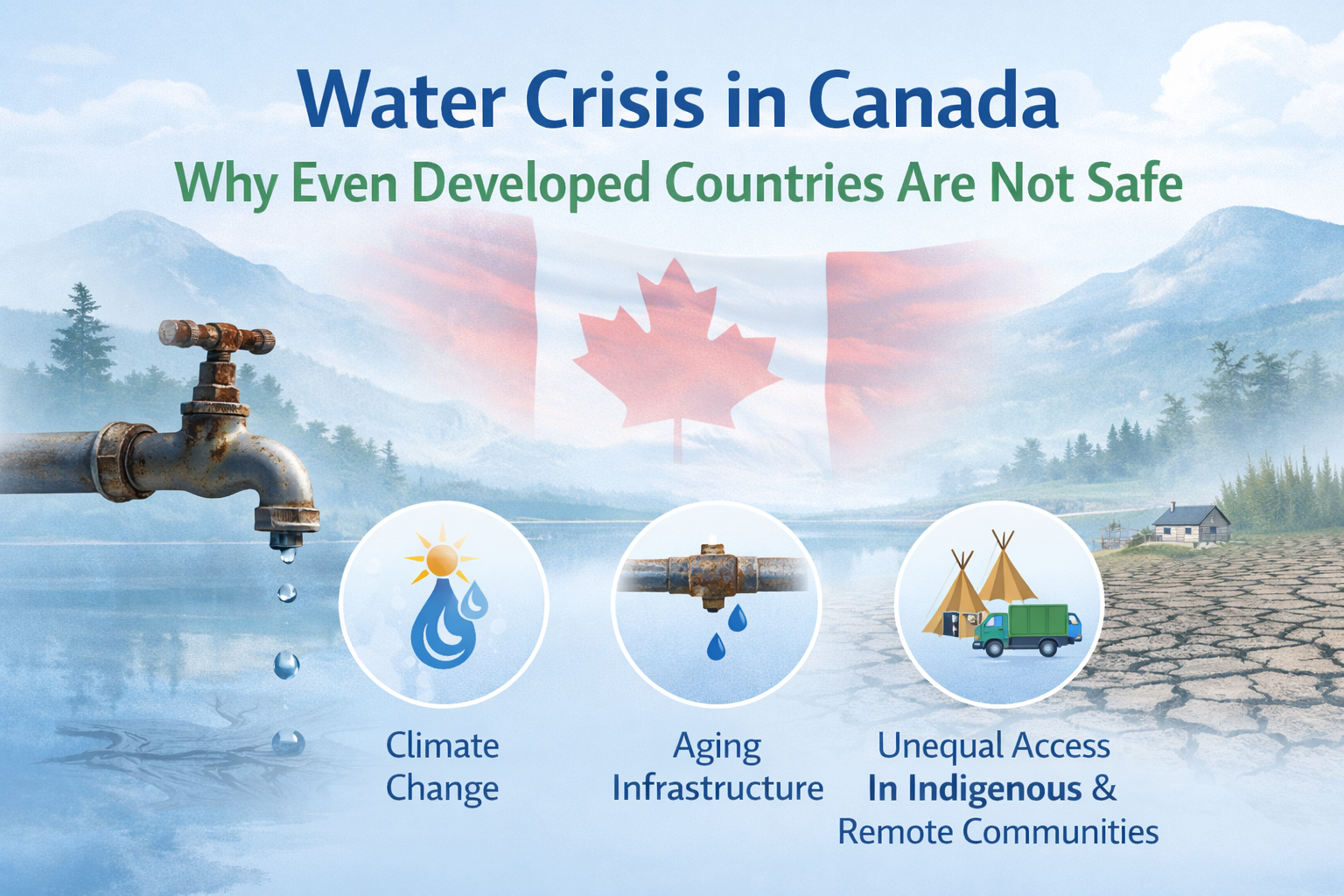
The water crisis is a silent, pervasive reality. For billions of people, access to clean drinking water is a daily challenge. Recurring droughts, population growth, contamination of groundwater sources, and aging infrastructure have sounded the alarm for our planet’s water security. For decades, we have relied on traditional solutions: drilling deeper wells, building larger dams, and transporting water over vast distances. But what if the world’s largest freshwater reservoir has been above our heads all along?
The atmospheric ocean is a massive, renewable reservoir of freshwater flowing in the form of vapor in the very air we breathe. The volume of water in the atmosphere is estimated to be several times greater than the total water in all the world’s rivers. Now, thanks to technological advancements, we are on the cusp of a revolution: the atmospheric water harvesting revolution. This article explores the question: does the future of our water supply lie not underground, but in the sky above us?
Part 1: From Purification to Production; A Paradigm Shift
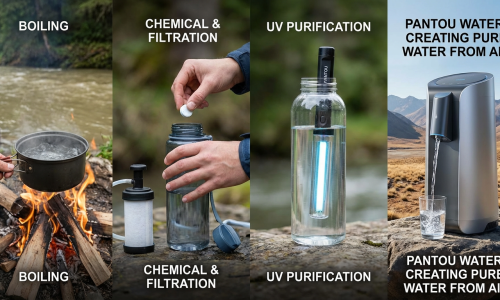
To date, our main focus has been on “purifying” existing water sources. We take water from rivers, lakes, and aquifers and remove its contaminants. However, this approach is increasingly facing its limits. What happens when the water source itself runs dry or becomes severely polluted?
Atmospheric Water Generation (AWG) technology changes this paradigm entirely. Instead of relying on terrestrial sources, AWG allows us to “produce” water directly at the point of need. It’s a move away from a centralized, vulnerable system (reliant on dams and long pipelines) towards a decentralized, resilient, and personalized model.
Part 2: The Key to the Future: MOF Technology
The idea of extracting water from air is not new, but the perennial challenge has been to do so efficiently and cost-effectively. Older methods based on cooling are energy-intensive and lose their effectiveness in low humidity.
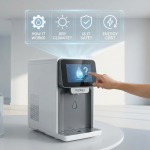
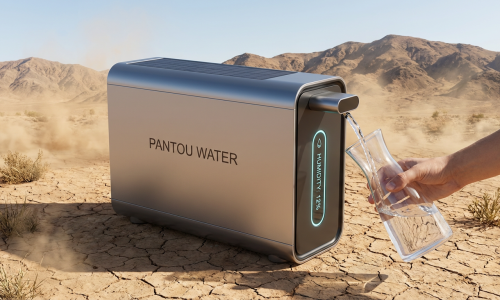
But the technology that makes this future possible is the Metal-Organic Framework (MOF), the material at the heart of Pantou Water’s devices. These nanomaterials, with their incredibly high surface area, act like molecular sponges, adsorbing water molecules even in dry air. They then release this water as pure liquid using a negligible amount of energy. This energy efficiency and performance in harsh conditions are the two factors transforming AWG from a niche concept into a viable global solution.
Part 3: A Glimpse into the Future: A World with Water Independence
Let’s imagine a world where AWG technology has matured and become widespread:
- Smart Homes and Buildings: Imagine every home, apartment, or office having its own dedicated AWG unit connected to the plumbing. These devices, perhaps powered by rooftop solar panels, would continuously generate the water needed by the inhabitants. Water bills would be a thing of the past, and concerns about water cuts would be relegated to history.
- Precision Agriculture in Arid Regions: Small, vertical farms in dry regions could produce their own water on-site using industrial-scale AWG units. This would not only lead to massive water savings but also enable agriculture in previously impossible locations.
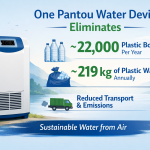
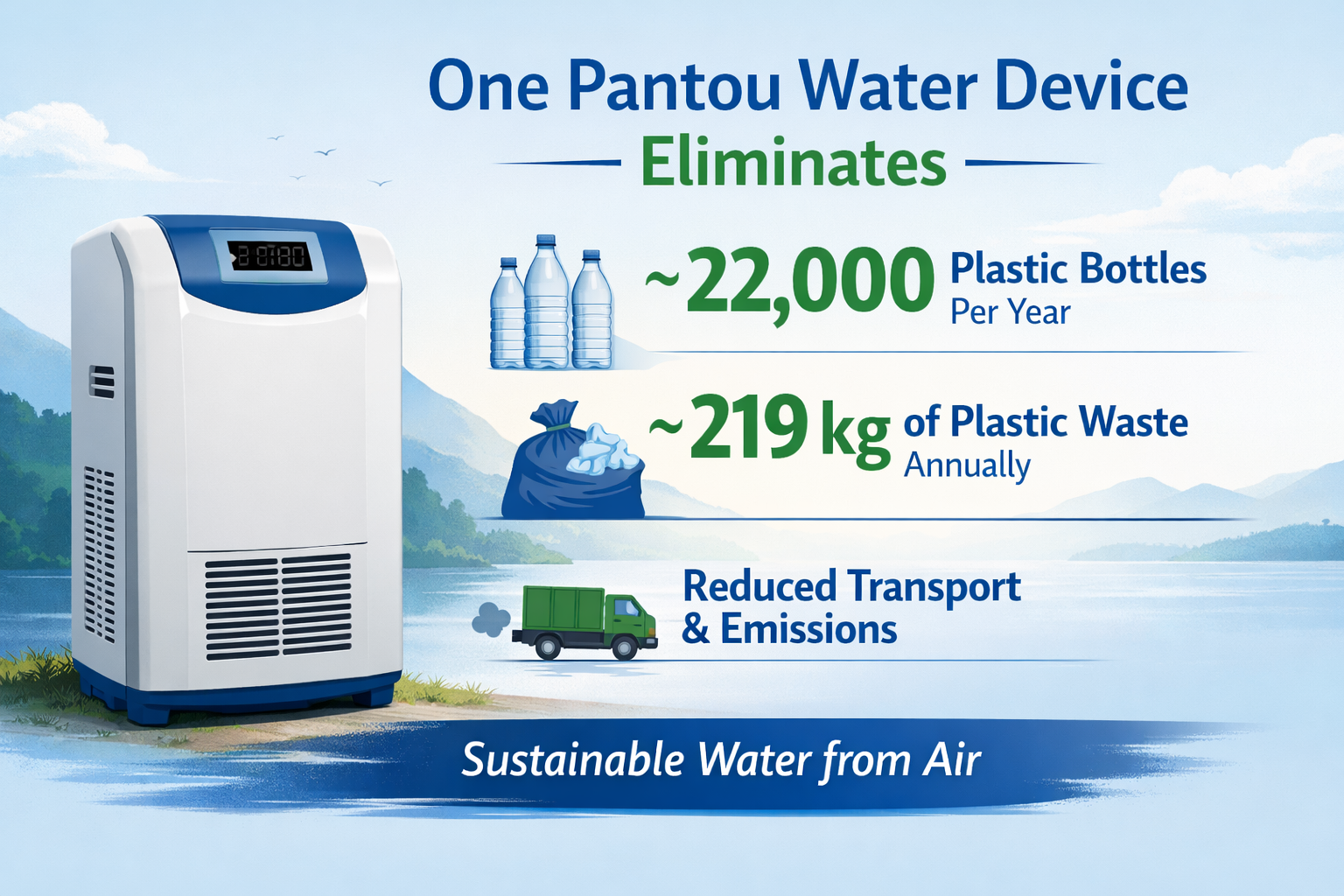
- The End of the Plastic Bottle Era: Airports, shopping malls, parks, and public spaces would feature “air fountains” providing free, chilled, and fresh water to everyone. The bottled water industry, with all its environmental damage, would become a relic of the past.
- Rapid Crisis Response: After natural disasters like earthquakes or hurricanes destroy water infrastructure, relief teams could quickly deploy portable AWG units to provide safe water for survivors and rescue workers, eliminating the need to transport thousands of plastic bottles.
- Security for Remote Communities: Remote villages where people have to travel long distances for water could achieve complete water independence with a communal AWG unit, improving their health and quality of life.
Part 4: The Hurdles on the Path: From Dream to Reality
Of course, this future will not materialize overnight. There are obstacles to overcome:
- Initial Cost: Currently, the upfront cost of AWG devices, especially for residential use, is relatively high. As production scales and technology advances, these costs are expected to decrease significantly.
- Energy Source: Although MOF-based devices are very energy-efficient, they still require power. For this solution to be truly sustainable, it must be integrated with renewable energy sources like solar panels and batteries.
- Scalability: Manufacturing MOF material and building devices on the scale of millions of units is a major industrial challenge that requires investment and innovation in production processes.
- Public Acceptance and Regulation: People and governments need to become familiar with and trust this new technology. Developing standards and regulations to ensure the quality and safety of the produced water will be a necessary step.
Conclusion: The Beginning of a Revolution
Will we all one day get our water from the air? The answer is most likely “yes,” but not in an absolute sense. AWG is not meant to replace all existing water sources, but rather to add a vital, powerful, and decentralized layer to our water infrastructure. This technology will be our tool to increase resilience against climate change, empower communities, and guarantee the fundamental right of access to clean water for all.
At Pantou Water, we aren’t just building water generators; we are building the pieces of the future. A future where your glass of water comes not from a distant river, but from the clean sky above you. This dream is becoming a reality, and we are proud to be at the forefront of this water revolution.