- pantouwater
- 0 Comments
- 282 Views
Canada is often perceived as a water-rich country. With vast lakes, rivers, and freshwater reserves, water scarcity seems like a distant problem—something that affects other parts of the world.
The reality is different.
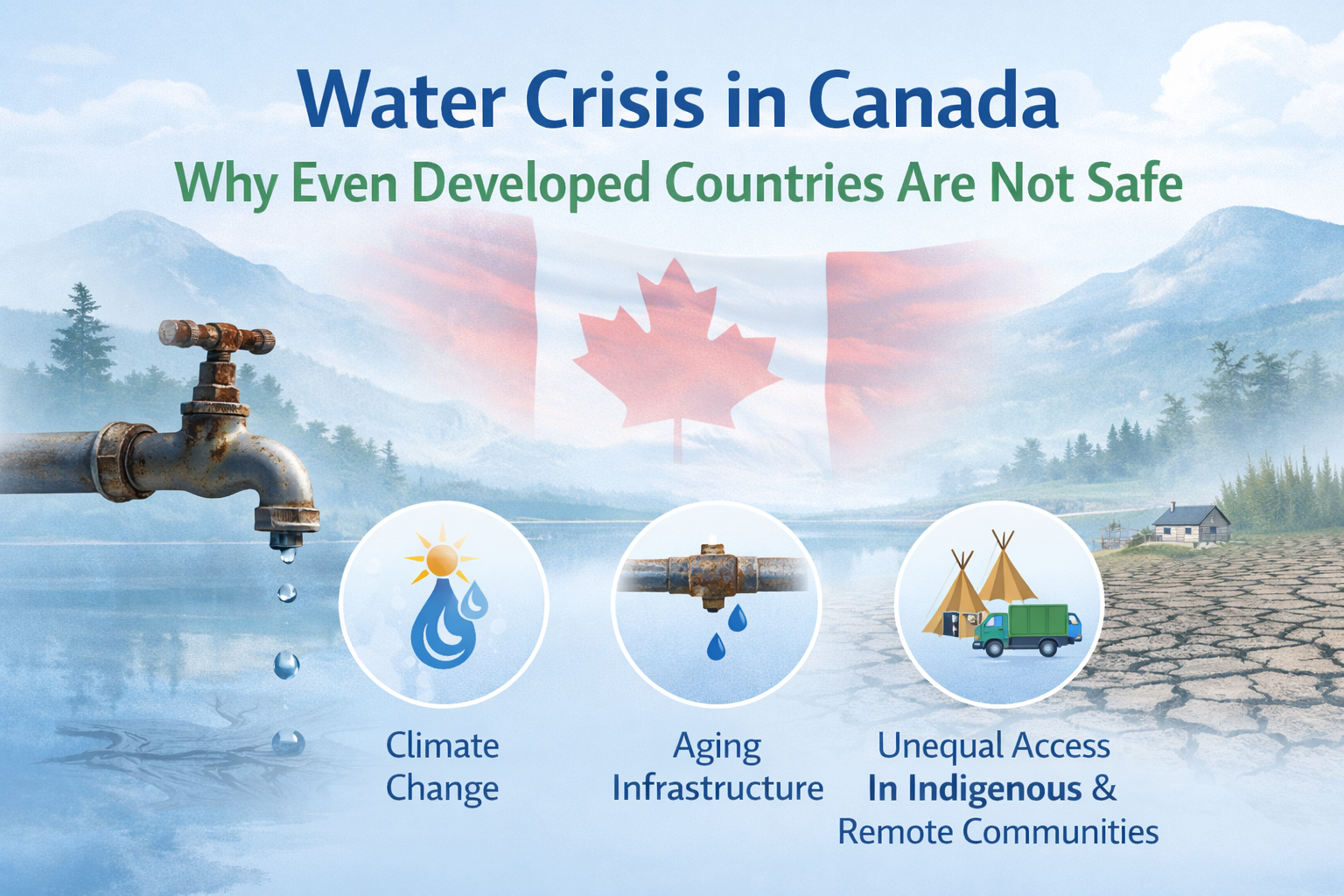
Despite its resources, Canada is already experiencing a growing water crisis, exposing a critical truth: even developed countries are not immune to water insecurity.
The Myth of Water Abundance
Canada holds approximately 20% of the world’s freshwater, but this statistic is misleading.
- Most freshwater is located far from population centers
- Much of it is not easily accessible or renewable
- Infrastructure limitations restrict distribution
- Climate patterns are changing faster than systems can adapt
Abundance on paper does not guarantee availability in practice.
Climate Change Is Disrupting Water Systems
Climate change is one of the primary drivers of water stress in Canada.
Key impacts include:
- Longer and more intense droughts
- Reduced snowpack and earlier snowmelt
- Increased evaporation during hotter summers
- More frequent floods that contaminate freshwater sources
These extremes strain water treatment systems and reduce the reliability of traditional water supplies.
Aging Infrastructure: A Silent Risk
Much of Canada’s water infrastructure was built decades ago.
Challenges include:
- Leaking pipelines and water loss
- Outdated treatment facilities
- Limited capacity for population growth
- High maintenance and replacement costs
In some regions, water advisories are not caused by lack of water—but by infrastructure failure.
Indigenous and Remote Communities Face Chronic Water Insecurity
One of the most pressing issues in Canada’s water crisis is inequality of access.
Many Indigenous and remote communities:
- Rely on water trucking
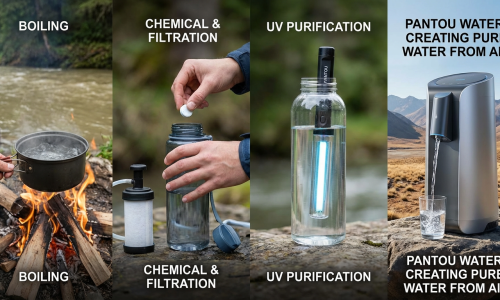
- Face long-term boil-water advisories
- Lack consistent treatment infrastructure
- Experience higher health risks due to water quality issues
This highlights that water security is not only an environmental issue—but a social and systemic one.
Urban Growth and Rising Demand
Urbanization is increasing water demand across Canadian cities.
Contributing factors include:
- Population growth
- Higher per-capita consumption
- Industrial and commercial usage
- Seasonal stress during heatwaves
Traditional centralized systems struggle to scale efficiently under these conditions.
Why Bottled Water Is Not a Solution
Bottled water often fills the gap where trust in tap water declines, but it introduces new problems:
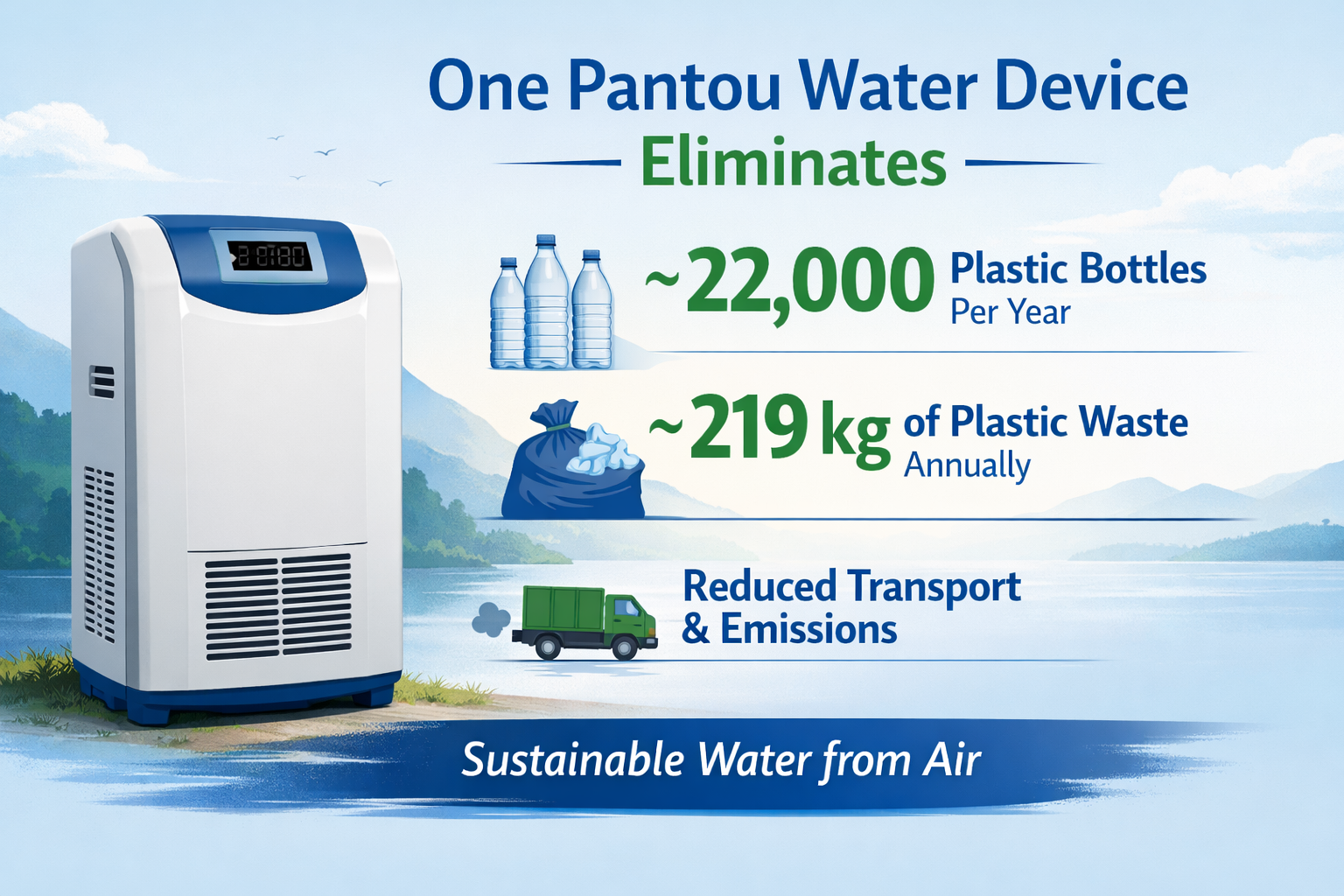
- Plastic waste and pollution
- Carbon emissions from transport
- High long-term costs
- Dependence on external supply chains
In emergencies or remote locations, bottled water is a short-term fix—not a sustainable strategy.
Rethinking Water ResilienceThe Canadian water crisis reveals a broader lesson:
resilience requires diversification, decentralization, and local control.
Modern water strategies must include:
- On-site water generation
- Reduced reliance on centralized infrastructure
- Climate-resilient technologies
- Sustainable, low-waste systems
Atmospheric Water Generation as a Complementary Solution
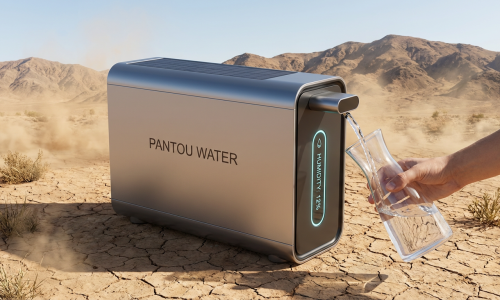
Atmospheric water generators (AWGs) offer an alternative approach by producing clean drinking water directly from air humidity.
In the Canadian context, AWGs can:
- Support remote and off-grid communities
- Reduce dependence on transported water
- Provide backup during infrastructure failures
- Lower environmental impact compared to bottled water
AWGs are not a replacement for municipal systems—but a strategic complement.
Lessons for Developed Nations
Canada’s situation demonstrates that:
- Wealth does not guarantee water security
- Infrastructure can become a vulnerability
- Climate change affects all regions
- Water resilience must be proactive, not reactive
Developed countries face complex, interconnected water risks that require innovative thinking.
Final Thought
The water crisis in Canada is not a warning for the future—it is already unfolding.
Ensuring long-term water security means rethinking how water is sourced, distributed, and protected. Solutions must go beyond legacy systems and embrace technologies designed for resilience in a changing world.
Water security is no longer a developing-world issue.
It is a global challenge—shared by all.