- pantouwater
- 0 Comments
- 84 Views
Venturing into the heart of nature, from dense forests to serene deserts, is an experience that revitalizes the soul. But amidst all the beauty, there is one critical principle that should never be overlooked: access to safe drinking water. The water you see in a crystal-clear spring or a rushing river may be hosting unwelcome guests like bacteria, viruses, and protozoa that can turn your adventure into a nightmare.
That’s why knowing the proper methods of water purification is an essential skill for every adventurer, hiker, and traveler. In this comprehensive guide, we’ll explore all the methods, from the most traditional to the most advanced, so you can step into the wild with complete confidence.
Part 1: Why Must We Purify Water in the Wild?
Natural water sources, even if they appear pristine, can contain three main categories of pathogens:
- Bacteria: Microscopic organisms like E. coli and Salmonella, which cause severe gastrointestinal distress, diarrhea, and fever.
- Protozoa: Parasites such as Giardia and Cryptosporidium, which are responsible for long-term digestive illnesses that can plague you for weeks.
- Viruses: Agents like Hepatitis A and Norovirus, which are much smaller than bacteria and can pass through many basic filters.
Drinking contaminated water can lead to severe dehydration, weakness, an inability to continue your journey, and even life-threatening conditions. Don’t take the risk!
Part 2: Traditional and Accessible Methods
Our ancestors used these methods for centuries to make water safe, and they are still effective in emergency situations.
1. Boiling
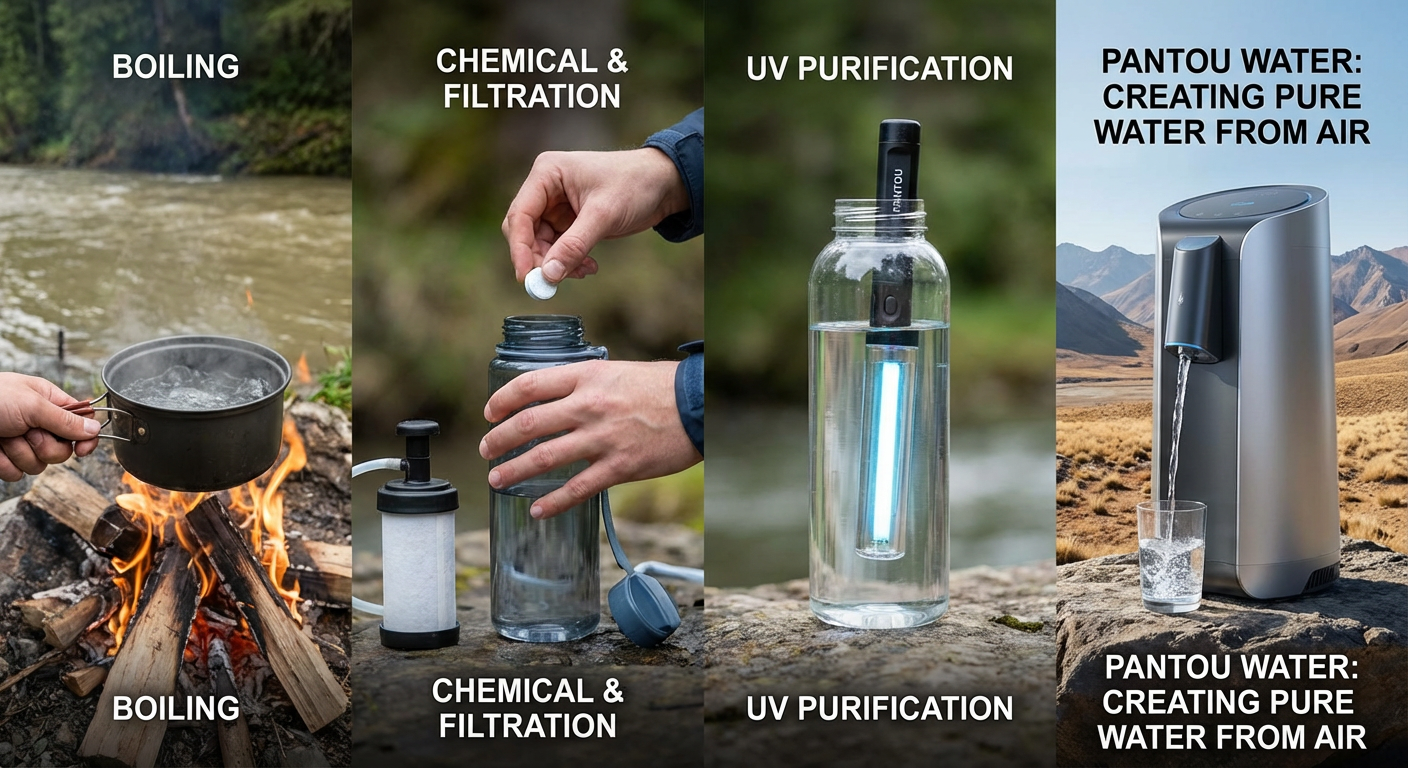
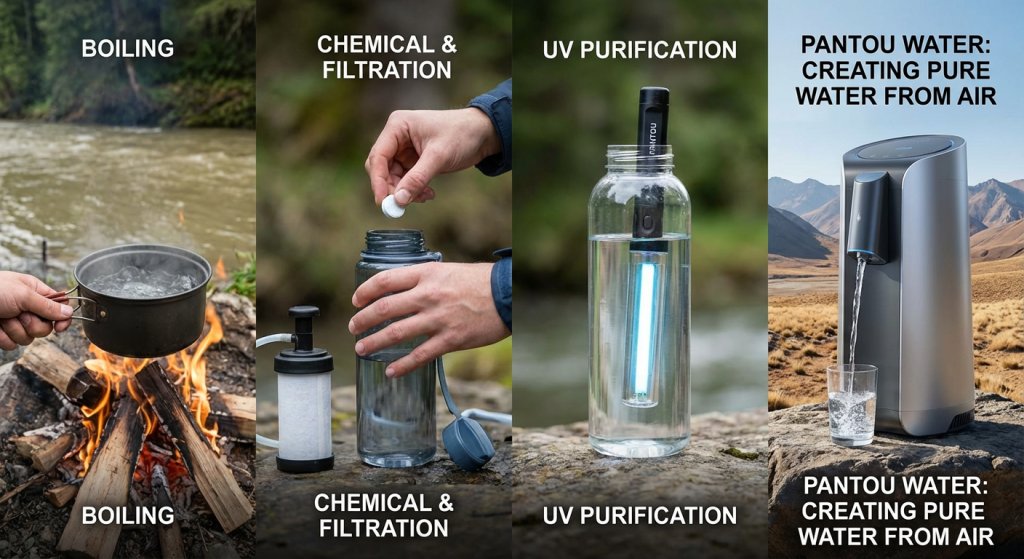
This is the most reliable and oldest method. High temperatures kill virtually all pathogens, including bacteria, viruses, and protozoa.
- How it works: Bring water to a rolling boil over a fire or stove. Let it boil vigorously for at least one minute. If you are at altitudes above 6,500 feet (2,000 meters), increase this time to three minutes due to the lower boiling point.
- Pros: Extremely effective and guaranteed to work.
- Cons: It is time-consuming, requires a significant amount of fuel, does not remove sediment or debris, and you must wait for the boiled water to cool down.
2. Chemical Disinfection
Chemical tablets or drops are a lightweight and popular solution for water treatment. The most common types are based on Chlorine Dioxide or Iodine.
- How it works: Add the specified number of tablets or drops to a certain volume of water (usually one liter), shake it well, and seal the container. You then have to wait. The waiting time can range from 30 minutes to 4 hours, depending on the water temperature and the chemical agent.
- Pros: Extremely lightweight, compact, and easy to use.
- Cons: They alter the taste of the water (chemical aftertaste), have long wait times, and are less effective against the parasite Cryptosporidium.
Part 3: Modern Purification Technologies
With technological advancements, more efficient tools for water purification have become available.
1. Mechanical Filters
These tools (such as squeeze or pump filters) contain a microscopic membrane with tiny pores. These pores are small enough to block bacteria and protozoa from passing through.
- How it works: Water is forced through the filter by hand pressure or gravity, and purified water exits from the other side.
- Pros: They work quickly, do not alter the water’s taste, and remove suspended particles.
- Cons: Most portable filters do not remove viruses. Their pores can also become clogged and require cleaning (backflushing). In cold weather, they can be damaged if they freeze.
2. UV Purifiers
These pen-shaped devices use ultraviolet (UV-C) light to neutralize pathogens. The light scrambles the DNA of microbes, rendering them unable to reproduce and harmless.
- How it works: You insert the device into a bottle of clear water, turn it on, and stir it for about 60-90 seconds until the entire volume of water has been exposed to the light.
- Pros: Very fast, lightweight, effective against viruses, bacteria, and protozoa, and does not change the water’s taste.
- Cons: They require batteries, are only effective in clear water (sediment and turbidity can shield microbes from the light), and their glass lamps can be fragile.
Part 4: The Revolutionary Leap: Creating Water, Not Just Treating It!
All the methods above have one thing in common: you need a water source (a river, lake, or spring). But what if you’re in a location with no water source available? Or what if the available source is contaminated with industrial chemicals that these methods cannot remove?
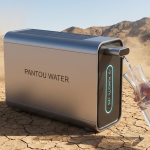
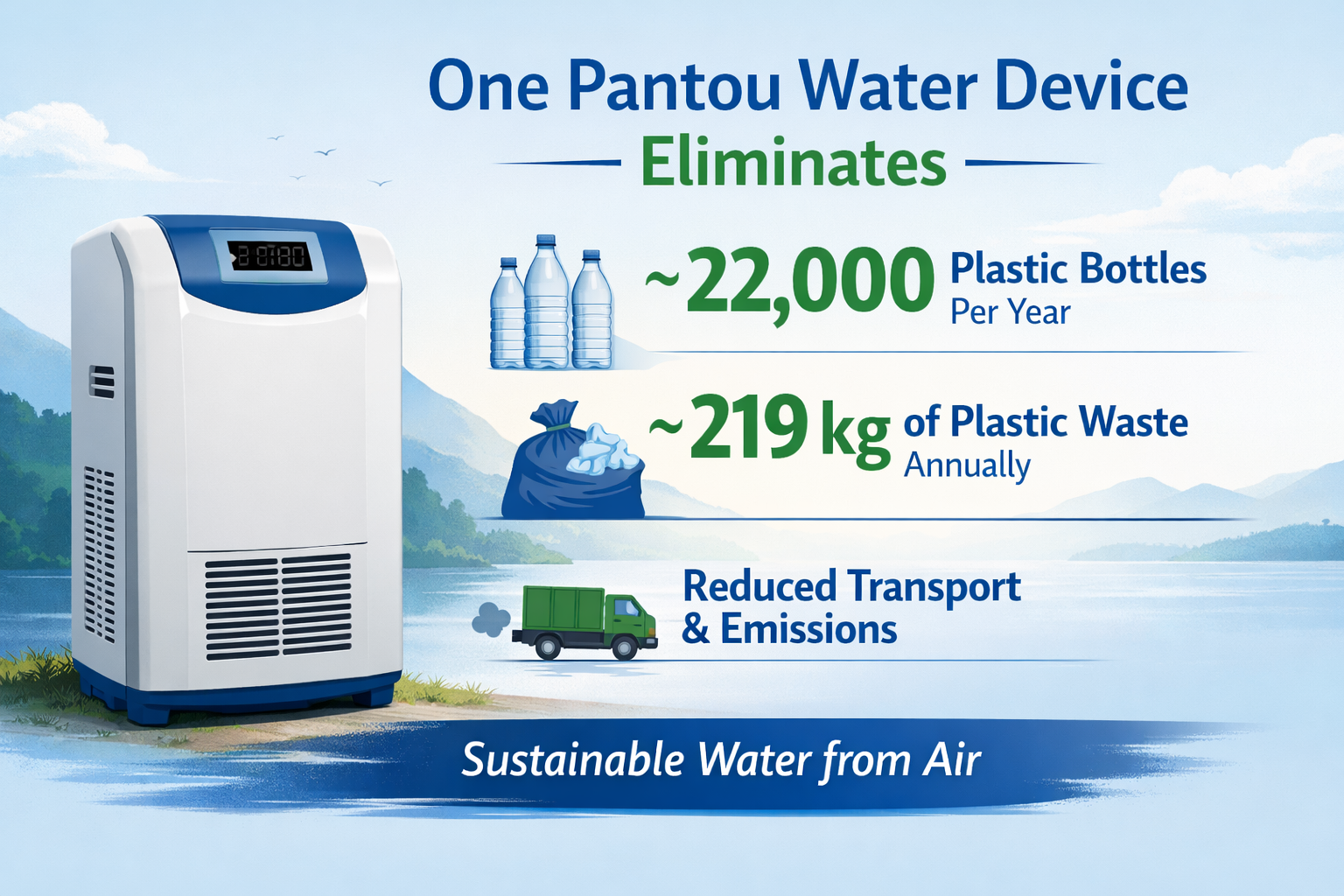
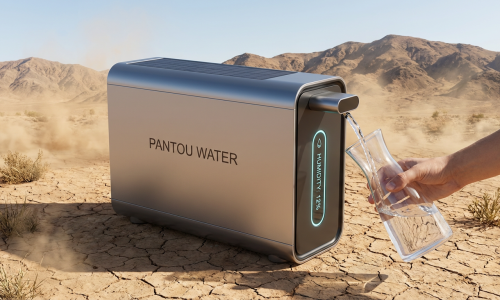
This is where Atmospheric Water Generation (AWG) technology, like that used in the Pantou Water device, enters the scene. This is no longer about purification; this is about the creation of pure water.
Leveraging advanced MOF (Metal-Organic Framework) technology, the Pantou Water device absorbs moisture directly from the air around you. This “molecular sponge” traps water molecules even in low-humidity conditions and then, using very little energy, converts them into 100% pure liquid water.
Why is this the ultimate solution?
- No Source Needed: You carry your water source with you. No more searching for a river or worrying about a spring running dry.
- Absolute Purity: Water generated from the air is pure from its inception, free of any biological or chemical contaminants. It has never been in contact with animal waste, pesticides, or heavy metals.
- Overcomes All Limitations: There is no chemical aftertaste, no waiting for water to boil, no worrying about batteries, and no clogged filters.
Conclusion
Knowing how to boil, use chlorine tablets, and operate filters or UV devices is essential for any outdoors enthusiast. These are valuable tools for making water from natural sources safe. However, the next frontier of adventure and independence is breaking free from the reliance on these sources. Atmospheric Water Generation technology, as featured in the Pantou Water device, is not just another option—it is a new paradigm in water procurement, allowing you to travel wherever you dream with complete confidence, safety, and independence.